Anatomic Shoulder Replacement
-
Trevor Stefanski, MD Specializing in Rapid Recovery Joint Replacement
Dr. James Trevor Stefanski is a fellowship-trained and board certified joint replacement specialist in Cincinnati, Ohio, specializing in minimally invasive, muscle-sparing joint replacement of the hip, knee, and shoulder.
What is Anatomic Shoulder Replacement?
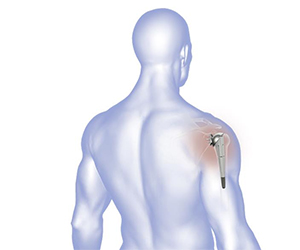
Anatomic Shoulder Replacement, also known as Total Shoulder Arthroplasty (TSA), is a surgical procedure performed to restore the normal anatomy and function of the shoulder joint by replacing the damaged joint surfaces with prosthetic components. It is primarily indicated in individuals with intact rotator cuff muscles and degenerative joint conditions.
Anatomy of the Shoulder Joint
The shoulder is a ball-and-socket joint formed by:
- Humeral head (ball)
- Glenoid cavity of scapula (socket)
- In anatomic replacement, this natural structure is preserved by replacing:
- The humeral head with a metal ball
- The glenoid with a polyethylene (plastic) socket
Indications of Anatomic Shoulder Replacement
Anatomic shoulder replacement is recommended in the following conditions:
- Primary osteoarthritis of the shoulder
- Rheumatoid arthritis
- Post-traumatic arthritis
- Avascular necrosis of the humeral head
- Failed previous shoulder surgeries
Contraindications of Anatomic Shoulder Replacement
Anatomic shoulder replacement has contraindicated in:
- Irreparable rotator cuff tear
- Severe glenoid bone loss
- Active infection
- Neuromuscular disorders affecting shoulder stability
Surgical Procedure of Anatomic Shoulder Replacement
Anatomic shoulder replacement procedures involve:
- Anesthesia: General anesthesia with or without regional block is administered
- Approach: Usually via deltopectoral approach
- Humeral Preparation: Removal of damaged humeral head and placement of metal prosthetic stem and head
- Glenoid Preparation: Removal of degenerated cartilage and fixation of polyethylene glenoid component
- Reduction and Closure: Joint is reduced and stability checked and later soft tissues repaired and wound closed
Types of Prosthesis
- Cemented or uncemented humeral components
- Pegged or keeled glenoid components
- Stemmed or stemless implants
Postoperative Rehabilitation of Anatomic Shoulder Replacement
Rehabilitation is crucial for optimal recovery of anatomic shoulder replacement:
- Phase 1 (0 - 4 weeks): Sling immobilization
Passive range of motion exercises
- Phase 2 (4 - 8 weeks): Active-assisted movements
Gradual increase in mobility
- Phase 3 (8 - 12 weeks): Active exercises
Strengthening of rotator cuff and deltoid
- Phase 4 (3 - 6 months): Functional and advanced strengthening exercises
Complications of Anatomic Shoulder Replacement
Anatomic shoulder replacement may have the following complications:
- Infection
- Prosthetic loosening
- Glenoid component wear
- Shoulder instability
- Nerve injury (rare)
Advantages of Anatomic Shoulder Replacement
Anatomic shoulder replacement has the following benefits:
- Restores near-normal anatomy
- Provides excellent pain relief
- Improves range of motion and function
- Better biomechanics compared to reverse shoulder replacement (when rotator cuff is intact)
Prognosis of Anatomic Shoulder Replacement
Patients with intact rotator cuff and proper rehabilitation generally have excellent outcomes, with significant pain relief and improved shoulder function. Implant survival rates are high, often lasting 15-20 years or more.
For more information about our services or to schedule an appointment, call us at or click here to request an appointment online. We'll respond to you as soon as possible.